

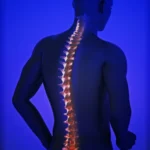
How Digital Habits Are Reshaping Your Natural Skeletal Alignment
January 10, 2026
Optimal Spatial Awareness: How Your Brain Navigates the World
March 15, 2026
Many remote professionals invest thousands of dollars into high-end office furniture with the hope of eliminating chronic back pain. They buy the mesh seats, the adjustable lumbar supports, and the headrests designed by aeronautical engineers. However, even a $1,500 ergonomic chair cannot solve the fundamental biological problem of the modern workday. Most people suffer from “Active Sedentary” lifestyle syndrome, a condition where an hour at the gym cannot offset eight hours of total stillness. Your body does not crave a better cushion; it craves a specific type of integrated movement nutrition that no piece of furniture can provide.
The Problem with Static Excellence
Ergonomic chairs aim to support your body in a “neutral” position to minimize strain. While this sounds logical, the human spine thrives on variety and motion rather than static perfection. When you sit in a fixed position for hours, your joints lose their natural lubrication and your supportive ligaments begin to stiffen. Specifically, the lack of micro-movements causes the spinal discs to dehydrate, leading to that familiar late-afternoon ache. Your chair essentially acts as a localized “cast” for your torso, preventing the very movement your nervous system requires for health. Achieving true wellness requires a shift toward integrated movement nutrition throughout the day.
Understanding Your Movement Vitamin Requirements
The human body functions much like a complex biological machine that requires regular inputs to stay operational. We often discuss nutritional vitamins, but we rarely consider our “Movement Vitamin Requirements.” Just as your eyes need light and your lungs need air, your mechanoreceptors—the sensors in your joints—need specific spinal inputs to keep your brain informed of your position. Furthermore, sitting in even the most expensive chair starves these sensors of data. This lack of sensory input leads to “brain fog” and a gradual decline in postural control. You must supplement your desk time with integrated movement nutrition to keep these neural pathways active.
The Rise of the Movement Snack
If you cannot quit your desk job, you must change how you interact with your environment. We advocate for the “Movement Snack,” a 30-second spinal reset performed every hour. These brief bursts of activity provide the high-intensity input your joints crave without requiring a change of clothes or a trip to the gym. Consequently, you interrupt the sedentary cycle before your tissues begin to adapt to the seated shape. Stretching your hip flexors, performing a standing chest opener, or simply rotating your neck through its full range of motion offers immediate relief. These snacks serve as the core components of your daily integrated movement nutrition.
Why Your Gym Session Isn’t Enough
Many workers believe that a vigorous morning workout protects them from the dangers of sitting. Conversely, research suggests that “the sitting disease” operates independently of your exercise habits. You can run five miles at 6:00 AM and still suffer the consequences of a rigid spine by 4:00 PM. The body prioritizes the positions it holds for the longest duration, meaning your eight-hour sit “out-trains” your one-hour run. Moreover, the stiffness you develop at your desk creates compensations that often lead to injuries during your actual workout. Consistency in your integrated movement nutrition prevents these structural imbalances from taking root.
The Chiropractic Connection to Desk Work
While self-care routines provide a great foundation, deep-seated spinal restrictions often require professional intervention. A chiropractor identifies the specific “stuck” segments that your 30-second resets cannot reach. Similarly, regular maintenance adjustments act as a professional cleaning for your nervous system, removing the interference caused by long-term sitting. When we restore proper motion to a joint, we essentially “reboot” the signal to your brain. This professional care ensures that your home efforts toward integrated movement nutrition actually yield the results you desire.
Redefining Your Workspace
Instead of looking for a better chair, consider how to build a more “dynamic” workspace. Use a standing desk converter to change your eye level frequently, or place your printer in another room to force a short walk. Therefore, you transform your office from a static cage into a functional movement laboratory. Every time you reach, twist, or shift your weight, you feed your spine the data it needs to stay young. Additionally, small changes like sitting on a floor cushion for one meeting a day can radically alter your postural stress. This environmental shift is a key pillar of integrated movement nutrition.
The Cost of Doing Nothing
Ignoring the signals of discomfort from your back leads to more than just a sore neck. Over time, chronic stillness contributes to reduced lung capacity, impaired circulation, and even a shortened lifespan. Resultantly, the money you save by skipping maintenance today will likely go toward expensive medical interventions tomorrow. Your body gives you “whispers” of pain before it starts “shouting” with a disc herniation or severe nerve impingement. Listening to these early warnings allows you to course-correct with ease. Prioritizing integrated movement nutrition is the most cost-effective insurance policy you can own.
Reclaiming Your Biological Right
We were never meant to spend our lives folded into a 90-degree angle. While technology keeps us tethered to our screens, our biology remains rooted in the need for varied, consistent motion. Do not let a fancy chair lull you into a false sense of security while your spine slowly stiffens. Start today by setting a timer for your first “Movement Snack” and commit to moving your joints through their full range every hour. Ultimately, your health depends on the quality of your movement, not the price of your furniture. Embrace a lifestyle defined by integrated movement nutrition and feel the difference in your energy and your longevity.