

The Ergonomic Myth and Integrated Movement Nutrition
February 20, 2026
Addressing Spatial Strain: The New Epidemic of Virtual Headsets
April 16, 2026
Have you ever tripped over a perfectly flat carpet or stumbled while walking in a dimly lit room? Most people blame their clumsiness or a lack of focus for these tiny accidents. However, the real culprit often involves a breakdown in your sixth sense, known scientifically as proprioception. This “invisible sense” allows your brain to know where your limbs are located in space without you having to look at them. From the elite athlete sprinting down a field to the active senior enjoying a morning stroll, everyone relies on this internal GPS to stay upright. Maintaining optimal spatial awareness ensures that your body moves with the precision and grace it deserves.
The Mechanics of the Internal Map
Your joints, muscles, and ligaments contain millions of tiny sensors called mechanoreceptors. These sensors send a constant stream of electrical data to your brain regarding your position and movement. Specifically, your brain uses this information to construct a high-resolution map of your body. This map tells you exactly how far to reach for a coffee cup or how high to lift your foot for a curb. When your joints move freely, the data remains crisp and clear. Consequently, your brain makes split-second adjustments to keep you balanced on uneven terrain. Protecting the clarity of this internal data is the primary goal of achieving optimal spatial awareness.
Why the Map Becomes Blurry
Joint restrictions act like static on a radio station, distorting the signals sent to your central nervous system. When a joint in your ankle or spine becomes “stuck” or loses its full range of motion, the mechanoreceptors stop firing correctly. Furthermore, the brain receives “blurry” or incomplete data about that specific body part. If the brain cannot see the ankle clearly on its internal map, it cannot react fast enough to a sudden slip or a loose tile. Moreover, this confusion often leads to the sensation of feeling “heavy” or uncoordinated. Restoring movement to these restricted areas is essential for regaining optimal spatial awareness.
The Ankle: Your Body’s First Responder
Your ankles serve as the primary sensors for balance because they interact directly with the ground. Every time you step on a pebble or a sloped sidewalk, your ankle mechanoreceptors tell your brain to adjust your weight. However, many people carry old injuries or stiffness in their ankles that “muffle” these critical signals. This sensory deficit creates a massive risk for falls, especially as we age. Additionally, athletes often suffer from “functional instability” where their muscles are strong, but their brains cannot sense the joint’s position quickly enough to prevent a sprain. Precision adjustments to the ankle joint can dramatically improve your optimal spatial awareness.
The Spine as the Central Processor
While the ankles sense the ground, the spine provides the frame of reference for the rest of your body. Your neck, in particular, contains a high density of proprioceptive sensors that help your brain orient your head in relation to gravity. Specifically, a misalignment in the upper cervical spine can create a “mismatch” between what your eyes see and what your body feels. This sensory conflict often manifests as dizziness, poor balance, or a general lack of confidence while moving. Therefore, a healthy spine acts as a clear antenna for your internal GPS. Keeping the spinal column mobile supports the foundation of optimal spatial awareness.
The “Lightness” of a Chiropractic Adjustment
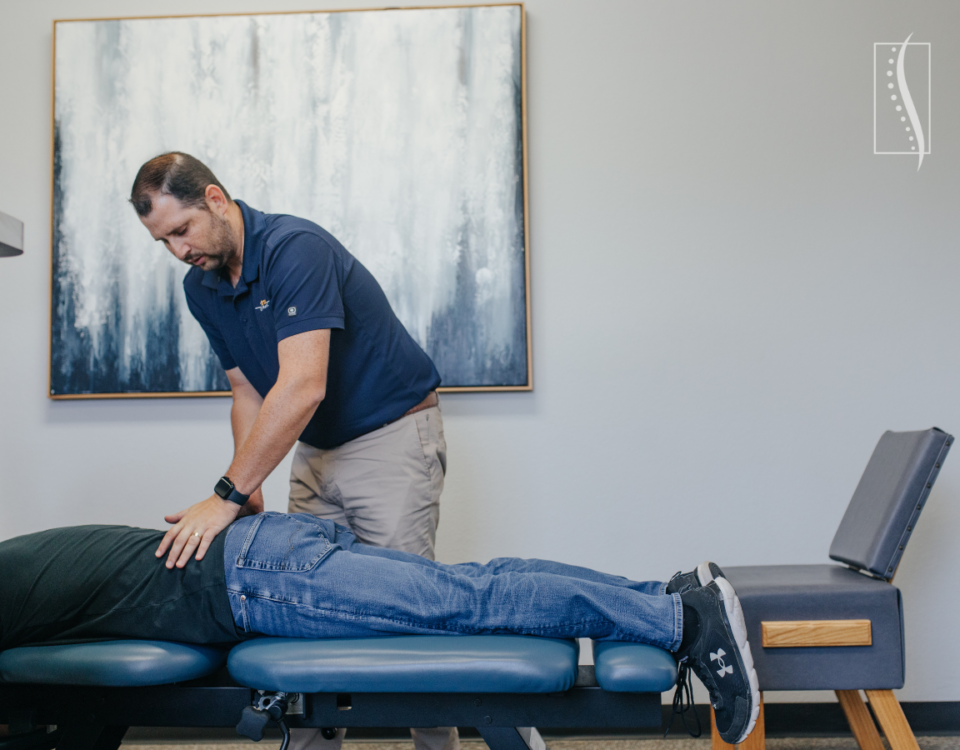
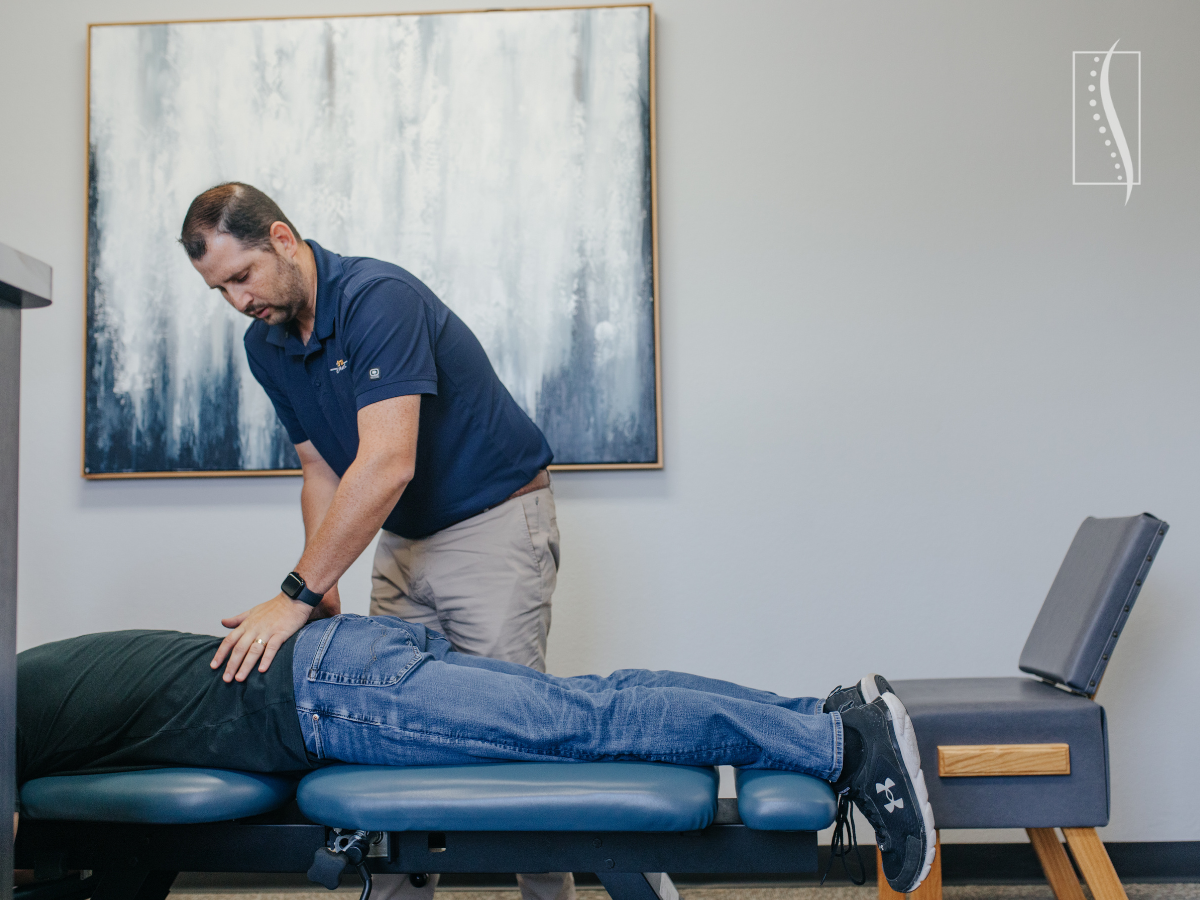
Patients often report feeling “lighter” or “more fluid” immediately after a chiropractic adjustment. This sensation does not occur because the bones weigh less; it happens because the brain finally receives a clear signal from the body. Similarly, when we remove joint restrictions, we “unblur” the internal map. Your brain suddenly knows exactly where your limbs are, which reduces the muscular effort required to stay balanced. This neurological “reboot” allows you to move with less tension and more efficiency. Every adjustment serves as a calibration tool for your optimal spatial awareness.
Staying Active and Fall-Proof
For active seniors, proprioception represents the ultimate insurance policy against injury. Muscle strength is important, but a strong muscle is useless if the brain doesn’t know when to fire it. Conversely, a highly “tuned” nervous system can prevent a fall before you even realize you have lost your balance. This is why balance exercises, such as Tai Chi or standing on one leg, are so effective when paired with chiropractic care. In addition, athletes find that better proprioception leads to faster reaction times and more explosive power. No matter your age, you should prioritize the health of your optimal spatial awareness.
Reclaiming Your Sixth Sense
Proprioception naturally declines with age and inactivity, but you can fight back against this “invisible” loss. Start by paying attention to the signals your body sends you. If you feel hesitant on stairs or notice you are bumping into furniture more often, your internal map likely needs a tune-up. Ultimately, chiropractic care offers a unique way to stimulate the nervous system and restore the flow of sensory data. By keeping your joints moving, you keep your brain informed. Finally, moving with confidence allows you to enjoy the activities you love without the fear of “tripping over nothing.”